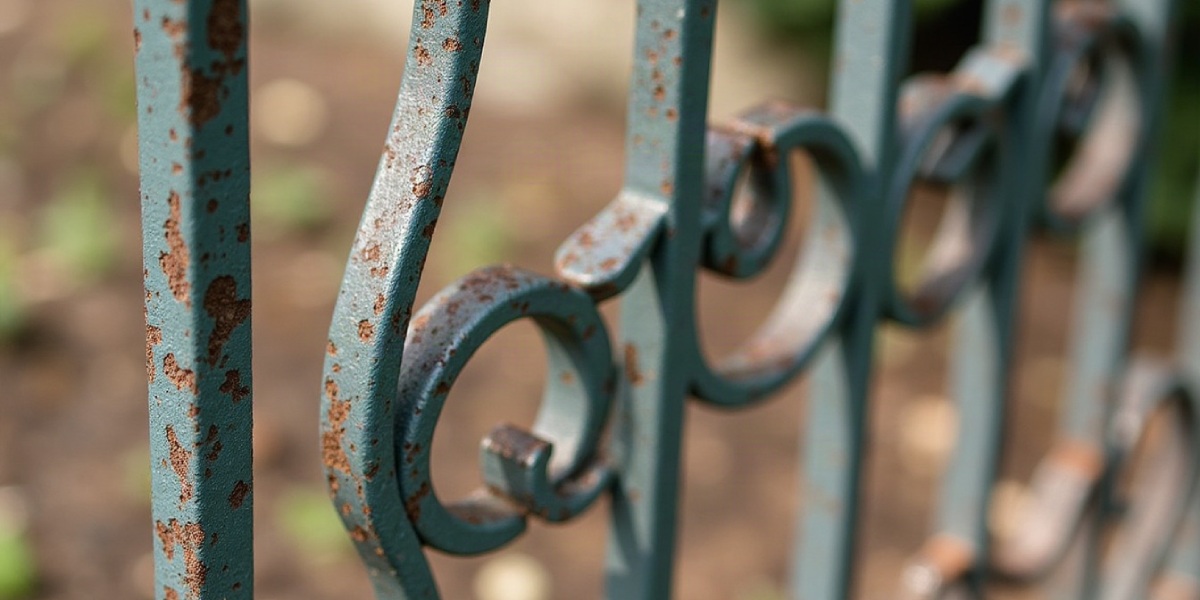
How to Remove Rust from Wrought Iron Railings

Rust forms on wrought iron when moisture and oxygen reach bare metal, and it spreads quickly if left unattended. Safe removal follows a clear order: clean, scrub, treat stubborn spots, prime, and paint. Protective gear matters, especially around old paint that may hold lead. Deep pitting calls for professional repair. Regular checks and quick touch-ups keep railings strong for years.
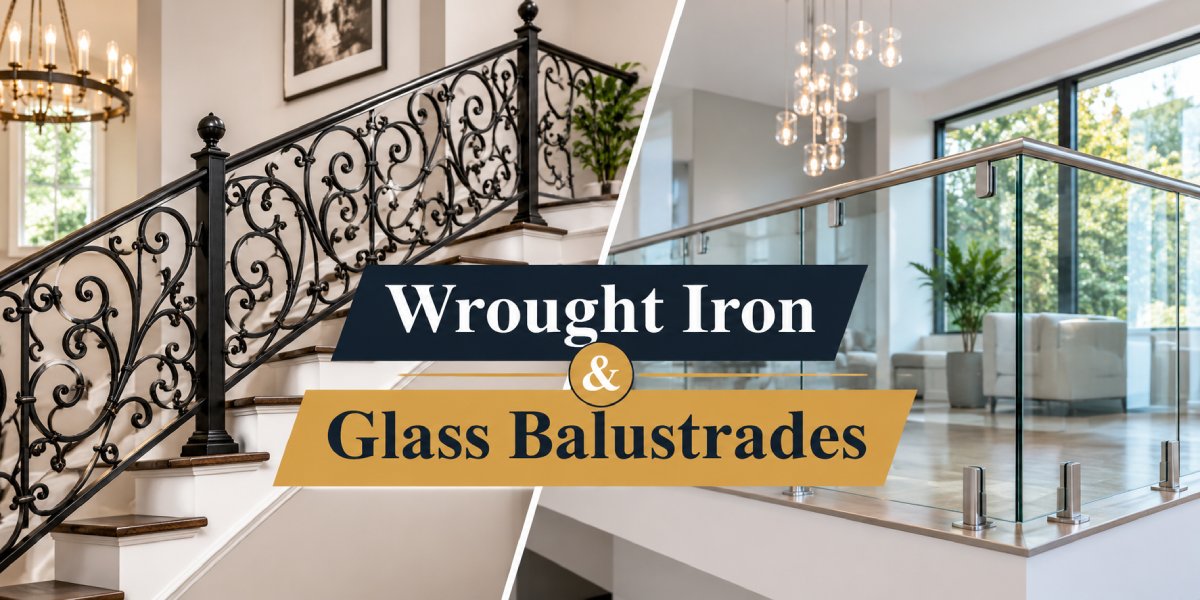
Wrought Iron vs Glass Balustrades: Pros, Cons & Best Fit

Wrought iron offers classic strength and custom detail but requires periodic repainting. Glass provides open views and a clean, modern look but needs regular wiping. Climate, budget, home style, and local safety codes shape the right pick. A side-by-side look at upkeep, durability, visibility, and cost shows which railing material suits a given space.

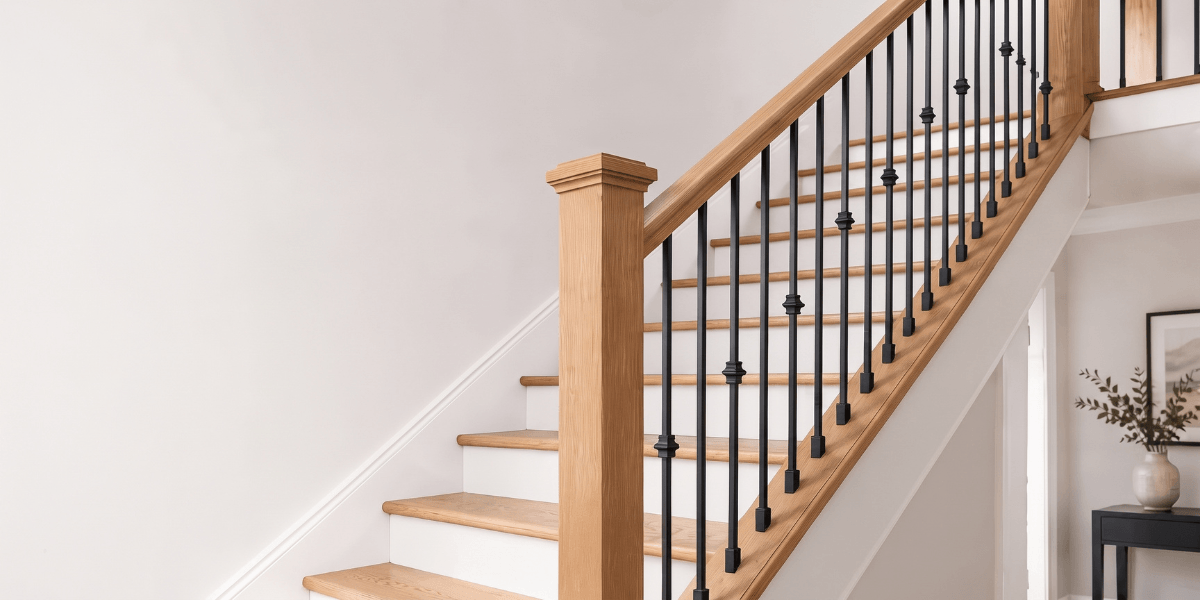
How to Choose a Child-Safe Stair Railing: Safety Features to Look For

Stair railings protect young children when gaps stay narrow, bars stand vertical, and handrails stay easy to grip. Tight baluster openings, proper guard height, and solid, well-anchored posts form the core of a home safety checklist. Strong materials, smooth finishes, and careful installation keep these protections working for years.

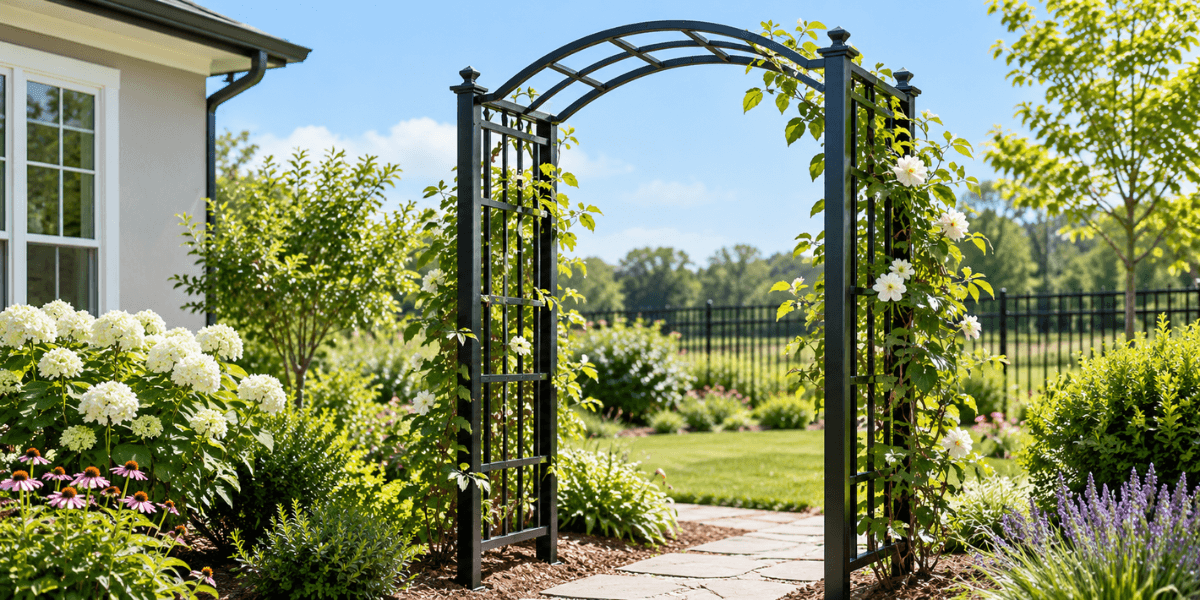
How to Choose the Right Size and Shape for an Iron Arbor

The right iron arbor size depends on who walks through it, where it stands, and what surrounds it. Walk-through arbors commonly need 7 to 8 feet of clearance under the beam and 4 to 6 feet of width, with extra room for gates and climbing plants. Shape should echo the home’s style, while a coated finish protects iron from rust.

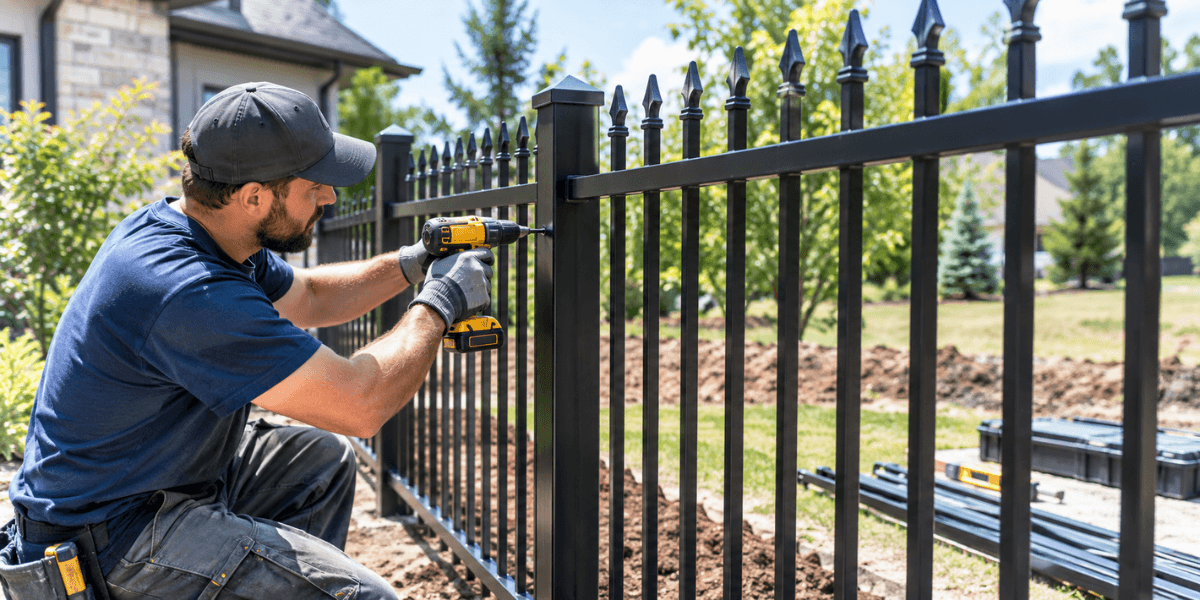
How Long Does It Take to Install an Iron Fence?

Installing an iron fence takes longer than the days a crew spends on site. Permits, homeowners association approvals, utility markings, and concrete curing all come before the panels go up, and gates add precise alignment work. Fence length, slope, custom details, and weather shape the on-site pace, while a written schedule helps catch delays early.

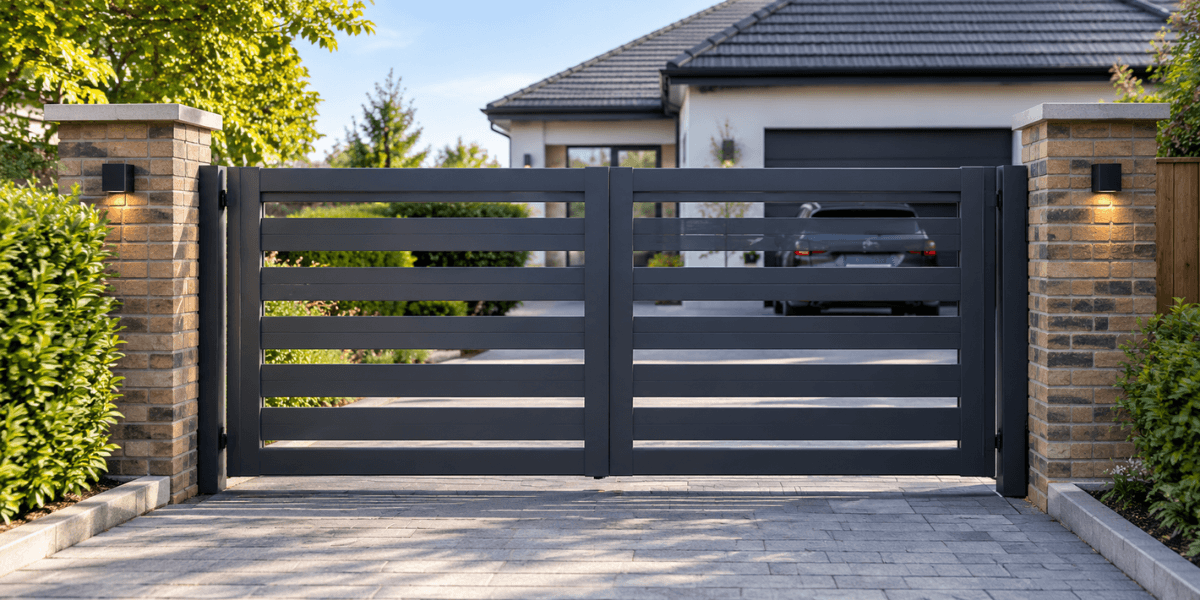
What Size Should a Driveway Gate Be?

Driveway gate sizing depends on vehicle width, property layout, and how the gate operates. Single-vehicle openings typically range from ten to twelve feet, while double gates are wider. Height choices affect both privacy and security. Local codes, gate materials, and automation needs also shape the final measurements homeowners settle on before installation begins.

Can Iron Railings Be Installed on Wooden Stairs?

Iron railings work well with wooden stairs when the wood is structurally sound, posts are securely anchored to solid framing, and the hardware resists corrosion. Building codes set requirements for handrail height and guard openings. Proper blocking, compatible fasteners, and a local code check help keep the installation safe, secure, and long-lasting.

Modern vs Traditional Iron Stair Railings: Which Fits Your Home?

Modern and traditional iron stair railings meet the same residential building codes, yet they differ in design, upkeep, and overall cost. Modern railings favor straight lines and open spacing suited to contemporary homes. Traditional railings rely on scrollwork and fine detail suited to older architecture. Maintenance needs, home architecture, and budget usually guide which style best fits a staircase.

Understanding the Difference Between Cast Iron and Wrought Iron

Cast iron and wrought iron look alike from a distance, but their composition, strength, and behavior under stress set them apart in lasting ways. Carbon content shapes hardness, corrosion resistance, and how each metal responds to heat and pressure across decades of outdoor use in gates, railings, and garden structures.

How to Choose the Right Height for Your Iron Fence

Iron fence height shapes privacy, curb appeal, safety, and compliance with local rules. Front yard fences typically stay shorter and more decorative, while backyard fences favor taller options built for stronger privacy and security. Pool areas carry especially strict safety requirements for barrier height. Zoning codes, homeowner association guidelines, and personal property goals shape the right height for any property.