
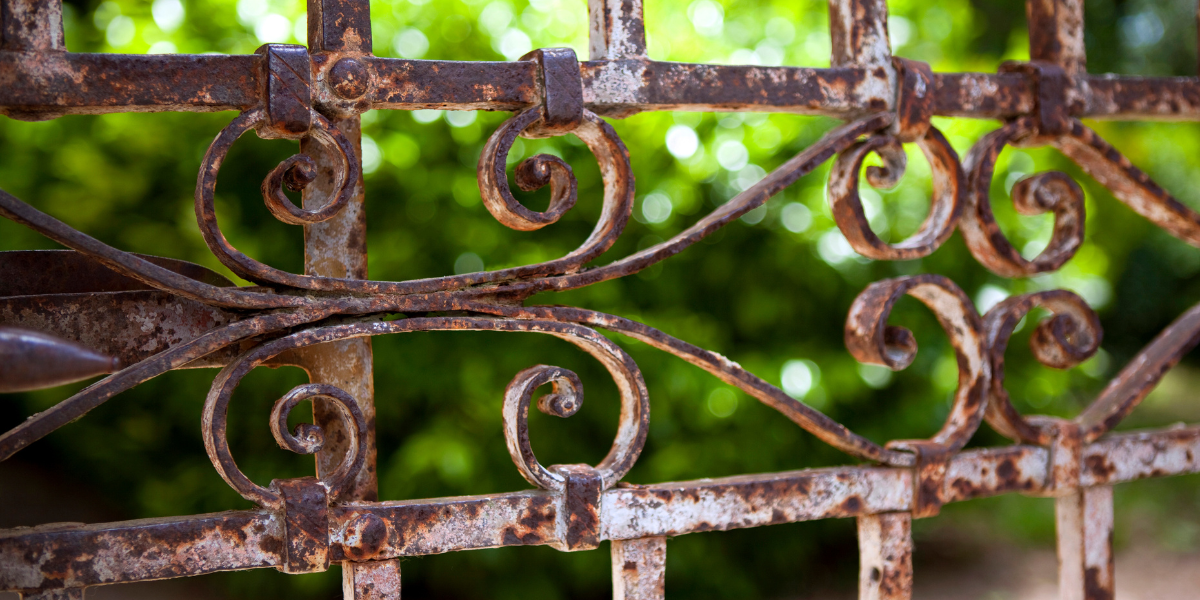
Outdoor ironwork brings a timeless kind of beauty to a home. A well-crafted gate, fence, or railing can stand for generations, but only if it gets the right care along the way. Rain, humidity, sun, and salt air work against metal every single day, and if you ignore the early warning signs, a stunning piece can turn into a rusted eyesore faster than you might expect.
The good news is that most weather-related problems are preventable. With a bit of regular attention and the right protective steps, your ironwork can stay strong and beautiful for decades. This guide walks through what causes the damage, how to stop it, and what long-term care actually looks like.
Why Weather is Tough on Outdoor Ironwork
Iron and steel react to their environment in ways that wood and vinyl simply don’t. When metal is exposed to moisture and oxygen at the same time, a chemical reaction begins that forms rust. It sounds simple, but the effects build up quietly and can go unnoticed until they’re serious.
Sun exposure adds another layer of stress. UV rays slowly break down protective coatings and paint, leaving bare metal more vulnerable to the elements underneath. Add in temperature swings, freeze-thaw cycles, and coastal salt air, and it’s easy to see why unprotected ironwork ages so quickly outdoors.
What Causes Weather Damage to Ironwork?
Weather damage rarely happens because of a single event. Instead, it develops gradually as outdoor ironwork faces ongoing exposure to the elements over months and years. A few specific conditions are usually behind the damage homeowners notice most. Identifying these common causes early helps you take preventative steps that extend the life and appearance of your ironwork.
- Prolonged rain or high humidity that keeps metal surfaces damp
- Salt air near coastal areas, which speeds up corrosion significantly
- Freezing temperatures that cause coatings to crack and peel
- Direct, constant sun exposure that breaks down paint and sealants
- Standing water around posts and bases that never fully dries
Once you understand what’s working against your ironwork, it becomes much easier to build a protection plan around it. Regular inspections, timely repairs, proper cleaning, and durable protective coatings all play a role in minimizing weather-related damage.
How to Weatherproof Ironwork: Step-by-Step Basics
Preventing weather damage to ironwork doesn’t require anything complicated. It mostly comes down to consistency and using the right materials at each stage. Here’s where to start.
1. Clean the Surface Regularly
Dirt, dust, and grime hold moisture against the metal and can hide early rust spots before you ever notice them. A gentle wash with mild soap and warm water, followed by a full towel dry, goes a long way toward keeping the surface healthy.
2. Apply a Rust-Inhibiting Primer
Bare or freshly cleaned metal needs a barrier before it sees rain again. A rust-inhibiting primer bonds to the surface and blocks moisture from reaching the metal underneath, which slows corrosion significantly before it even starts.
3. Finish With Weather-Resistant Paint or Powder Coating
Once the primer has cured, a high-quality exterior metal paint or powder coating adds the next layer of defense. A few light coats typically perform better than one thick application, and getting into every joint and corner matters just as much as covering the flat surfaces.
4. Manage Drainage Around Posts and Bases
Standing water is one of the most overlooked causes of rust. Make sure the ground slopes away from gate posts and fence bases, and address any spots where water tends to pool after rain.
5. Guard Against Salt Air in Coastal Climates
If you live near the coast, salt in the air settles on metal surfaces and accelerates corrosion. Marine-grade coatings and more frequent rinsing help keep salt buildup from taking hold.
6. Cover or Store Pieces During Severe Weather
Smaller ironwork pieces, like decorative accents or furniture, benefit from a protective cover or indoor storage during extended storms or winter months. Larger fixed pieces like gates and railings should be inspected right after severe weather passes.
Early rust or chipped paint is a lot easier to fix than a fully corroded piece, so it pays to have an experienced eye look things over before small problems grow. Our craftsmen work on custom ornamental iron works throughout Birmingham and can spot trouble before it spreads.
Long-Term Outdoor Ironwork Protection Methods
Different protective systems offer different levels of durability, and choosing the right one depends on your climate, your budget, and how the ironwork is used. Here’s a quick comparison to help you compare your options.
Learning how to weatherproof ironwork for the long haul usually means combining a couple of these methods. A galvanized base with a painted finish, for example, offers both structural protection and a polished appearance that holds up for years.
Seasonal Tips for Weatherproofing Outdoor Ironwork
Weather changes throughout the year, and your maintenance routine should shift along with it.
- Spring: Inspect every piece closely for chipped paint, rust spots, or loose hardware left behind by winter weather. Address anything you find before the humid months arrive.
- Summer: Heat and UV exposure are hardest on painted surfaces, so a mid-year check for fading or cracking helps you catch problems early.
- Fall: Clean thoroughly and apply any touch-ups before colder, wetter weather sets in.
- Winter: The toughest season for outdoor ironwork protection, since freezing temperatures and road salt near driveways can accelerate corrosion. Keep surfaces clean and free of built-up ice or salt residue during these months.
A year-round maintenance plan helps outdoor ironwork withstand changing weather conditions and reduces the likelihood of costly repairs. Different seasons expose metal to different challenges, so adjusting your care routine throughout the year helps preserve protective coatings, prevent corrosion, and keep gates, fences, railings, and decorative ironwork looking their best.
Frequently Asked Questions
1. How often should I repaint or reseal outdoor ironwork?
Most painted ironwork benefits from a fresh coat every five to seven years, though coastal or high-exposure areas may need touch-ups sooner. Staying on top of weatherproofing outdoor ironwork on a consistent schedule prevents small chips from turning into larger rust problems.
2. Can rust be removed once it starts forming?
Yes, in most cases. Light surface rust can be sanded away and treated with a rust converter before repainting. Deeper corrosion may require professional restoration to fully address the damage.
3. Is powder coating better than traditional paint?
Powder coating generally lasts longer and resists chipping better than standard paint, making it a strong option for high-traffic gates and fences. Traditional paint is more affordable upfront and easier to touch up in small sections.
4. Does living near the coast really make a difference?
It does, salt air significantly speeds up corrosion, so coastal properties often need marine-grade coatings, more frequent rinsing, and closer inspection schedules than inland properties.
5. What’s the first sign that ironwork needs attention?
Small chips or scratches in the paint are usually the earliest warning sign, since they expose bare metal to moisture. Catching and touching up these spots quickly helps prevent small concerns from turning into major issues down the road.
Final Thoughts
Outdoor ironwork is built to last, but it still needs regular care to stay strong against rain, sun, humidity, and changing temperatures. Cleaning away dirt and moisture, repairing small chips before rust spreads, and applying quality protective coatings all help preserve its appearance and structural integrity. Seasonal inspections also make it easier to catch minor problems before they become costly repairs or replacements.
With consistent maintenance, iron gates, fences, railings, and decorative features can remain attractive and functional for decades. Investing a little time in preventative care today helps protect your ironwork from weather damage and extends its lifespan for years to come.
Thinking about an iron fence installation that’s built to hold up against the weather from day one? We handle every project in-house, from design through installation, with the kind of craftsmanship that’s meant to last.