
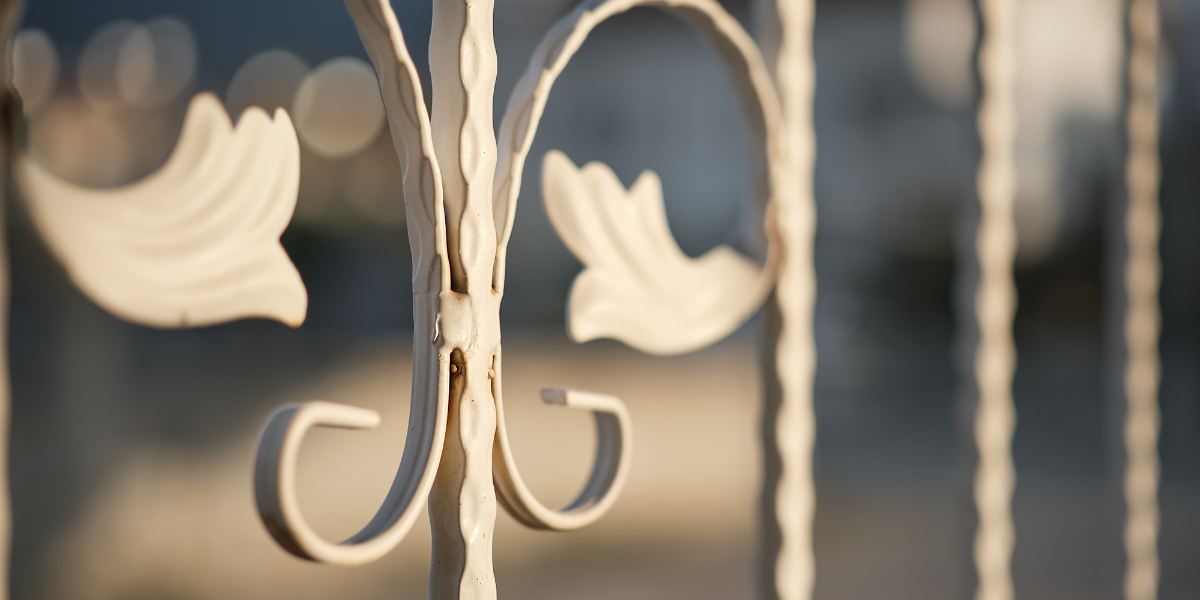
Ornamental ironwork adds character, security, and lasting value to a property. Decorative gates, railings, fences, and custom iron features create a timeless appearance that complements many architectural styles. Weather conditions change throughout the year, and each season presents different challenges for ironwork. Rain, humidity, sunlight, debris, and temperature fluctuations can gradually wear down protective coatings and contribute to corrosion. Without proper upkeep, minor issues can develop into costly repairs.
Fortunately, maintaining ornamental ironwork does not require complicated procedures. Consistent inspections, routine cleaning, and prompt repairs can help preserve both appearance and performance for decades. This iron gate care guide explains practical maintenance practices homeowners can follow throughout the year to keep ornamental iron features in excellent condition.
Why Ornamental Ironwork Requires Ongoing Maintenance
Iron is known for its strength and longevity, but exposure to outdoor elements can affect its condition over time. Regular maintenance helps protect decorative ironwork and reduces the likelihood of extensive restoration work.
Exposure to Weather and Moisture
Rain, humidity, and temperature changes are among the biggest challenges for ornamental iron. Moisture can settle on metal surfaces and gradually weaken protective finishes. In regions with frequent rainfall or high humidity, ironwork often faces a greater risk of corrosion.
Protective coatings can age, crack, or peel; the underlying iron becomes vulnerable to moisture intrusion.
Preventing Rust Before It Spreads
One of the most valuable ornamental iron maintenance tips is to address rust immediately. Small rust spots may appear harmless at first, but corrosion can spread quickly if left untreated.
Early intervention helps preserve the integrity of iron structures. Removing rust at the first sign of development minimizes damage and reduces future repair costs. Consistent maintenance also supports long-term structural stability.
Preserving Curb Appeal
Custom ironwork contributes significantly to a property’s visual appeal. Decorative gates, railings, and fencing often serve as focal points that improve the overall appearance of a home.
Peeling paint, discoloration, and visible rust can diminish that appeal. Regular maintenance helps maintain a clean, polished appearance while supporting property value and aesthetic consistency.
Spring Maintenance Tips for Ornamental Iron
Spring is an ideal time to inspect ornamental iron after winter weather has passed. Seasonal maintenance helps identify any developing issues before they worsen.
Inspect for Winter Damage
Begin by carefully examining iron gates, railings, and decorative structures. Look for rust spots, chipped paint, loose fasteners, or areas where protective coatings appear worn. Pay close attention to joints, corners, and decorative details where moisture may have accumulated during colder months. Early detection makes repairs simpler and more cost-effective.
Wash Away Dirt and Debris
Winter often leaves behind dirt, pollen, salt residue, and debris that can trap moisture against metal surfaces. Clean ironwork using warm water, mild soap, and a soft cloth or brush. Gentle cleaning removes contaminants without damaging existing finishes. Thorough rinsing helps prevent buildup that could contribute to corrosion.
Touch Up Protective Coatings
After cleaning and inspection, address any damaged paint or exposed metal. Lightly sand affected areas, apply a rust-inhibiting primer, and repaint using a high-quality metal paint designed for exterior applications. Touch-up work helps reinforce protective barriers and reduces future corrosion risks.
Summer Care Practices to Reduce Wear
Summer conditions can also affect ornamental iron, particularly through prolonged sunlight exposure and increased vegetation growth.
Monitor Sun Exposure
Extended exposure to ultraviolet rays may gradually fade painted surfaces and weaken protective finishes. Inspect painted ironwork periodically during the summer. If coatings appear dull or worn, consider applying a protective sealant designed for exterior metal surfaces. This additional layer can help preserve the finish and improve durability.
Trim Nearby Vegetation
Overgrown plants and shrubs often hold moisture against iron surfaces. Branches and vines may also scratch protective coatings as they move in the wind. Maintain adequate clearance around iron structures to improve airflow and reduce moisture retention. Keeping vegetation trimmed helps protect decorative finishes and limits corrosion risks.
Check Moving Components
Effective iron gate care includes regular inspections of moving parts. Gate hinges, latches, rollers, and locking mechanisms experience regular use. Over time, these components can become stiff or develop excessive wear. Apply a silicone-based lubricant to moving parts to promote smooth operation. Effective lubrication minimizes friction and helps prevent early failure of components.
Fall Preparation for Cooler Weather
Fall maintenance prepares ornamental ironwork for the increased moisture often associated with colder seasons.
Remove Leaves and Organic Debris
Leaves and organic debris can accumulate around railings, gates, and fencing. When trapped against metal surfaces, this material retains moisture and encourages corrosion. Regular cleanup during the fall helps keep iron surfaces dry and reduces unnecessary exposure to moisture.
Inspect Drainage Around Iron Structures
Poor drainage can create standing water near the base of ironwork. Constant moisture exposure increases the likelihood of rust development. Inspect surrounding landscaping and drainage systems to confirm water flows away from iron structures. Proper drainage contributes significantly to long-term durability.
Schedule Preventive Repairs
Fall is an excellent time to address minor maintenance concerns before winter arrives. Loose fasteners, chipped paint, and small rust spots are often easier to repair during mild weather conditions. Addressing these issues promptly can help prevent more serious damage in the future.
Winter Protection Strategies for Ornamental Ironwork
Winter weather can be particularly challenging for outdoor ironwork. Moisture, snow, and freezing temperatures create conditions that may accelerate wear.
Keep Iron Surfaces Clean and Dry
Moisture management remains one of the most important aspects of how to protect iron from rust. Remove snow accumulation when practical and keep iron surfaces free of debris. Drying exposed areas after storms can help reduce prolonged moisture exposure.
Watch for Developing Rust
Certain locations are more vulnerable to corrosion during winter. Inspect the welded joints, decorative scrollwork, hardware connections, base plates, and areas near the ground. These locations often collect moisture and should be monitored regularly throughout the season.
Protect Gates and Railings from Excess Moisture
Simple precautions can provide added protection during the winter months. Avoid allowing ice buildup to remain on iron surfaces for extended periods. If severe storms are expected, additional temporary protection may help reduce moisture exposure and preserve finishes.
Best Cleaning Methods for Ornamental Ironwork
Routine cleaning plays a major role in preserving ornamental iron’s appearance and longevity.
Recommended Cleaning Supplies
The safest cleaning supplies include:
- Mild dish soap
- Warm water
- Soft microfiber cloths
- Non-abrasive brushes
- Clean rinse water
These materials remove dirt effectively without damaging protective coatings.
Cleaning Techniques That Protect Finishes
Harsh chemicals and abrasive scrubbing tools can strip paint and damage sealants. Use gentle circular motions while cleaning and avoid aggressive scraping. If stubborn residue is present, allow soapy water to loosen debris before cleaning. Proper cleaning supports effective rust prevention in wrought iron and helps maintain protective finishes.
How Often Should Ironwork Be Cleaned
Most ornamental ironwork benefits from cleaning at least twice annually. Properties near coastal areas or regions with high humidity may need more frequent inspections and cleaning. Regular attention helps identify issues before they become significant problems.
Signs Your Ornamental Ironwork Needs Professional Attention
Some maintenance concerns can be handled by homeowners, while others require professional evaluation.
Extensive Rust Formation
Large rusted areas often indicate that corrosion has progressed beyond surface-level damage. Professional restoration may be necessary to remove corrosion properly and restore protective coatings.
Structural Weakness or Damage
Cracks, bending, loose welds, or unstable sections should never be ignored. Structural issues can affect safety and typically require skilled repair techniques to restore integrity.
Peeling Paint Across Large Areas
Widespread paint failure often signals underlying coating deterioration. Professionals can remove damaged coatings, prepare surfaces correctly, and apply long-lasting protective finishes.
Misaligned Gates or Railings
Gates that drag, fail to close properly, or appear uneven may indicate hardware wear or structural movement. Professional maintenance helps homeowners properly maintain iron fencing and railings while preserving craftsmanship and design details for many years.
For homeowners seeking expert guidance on maintaining custom fences, our team can provide valuable support and craftsmanship-focused solutions. Get in touch with us today!
Frequently Asked Questions
1. How often should ornamental ironwork be inspected?
A visual inspection every few months is recommended. More detailed inspections should be performed at least twice a year, most commonly during spring and fall.
2. What is the best way to remove small rust spots?
Use fine sandpaper to remove surface rust. Next, apply a rust-inhibiting primer followed by touch-up paint to protect the exposed area.
3. Can pressure washing damage ornamental iron?
High-pressure washing may damage paint and protective coatings. Using mild soap and water for gentle cleaning is usually a safer choice.
4. Why does rust return after being removed?
Rust often returns when surfaces are not properly primed, painted, or sealed after cleaning. Moisture can quickly affect exposed metal.
5. Is professional maintenance necessary for ornamental ironwork?
Professional maintenance is beneficial when rust becomes extensive, structural concerns develop, or large sections require refinishing and restoration.
Final Thoughts
Protecting ornamental ironwork requires consistent attention throughout the year. Seasonal inspections, routine cleaning, timely touch-ups, and proper moisture management all contribute to long-term durability. Small maintenance tasks performed regularly can significantly reduce the likelihood of extensive repairs while preserving the appearance of decorative iron features. When rust, structural damage, or coating deterioration becomes difficult to manage, professional assistance can help restore ironwork to excellent condition.
If you need assistance with ornamental iron restoration on your drive gates, we offer professional services designed to help preserve the beauty and performance of your investment for years to come!