
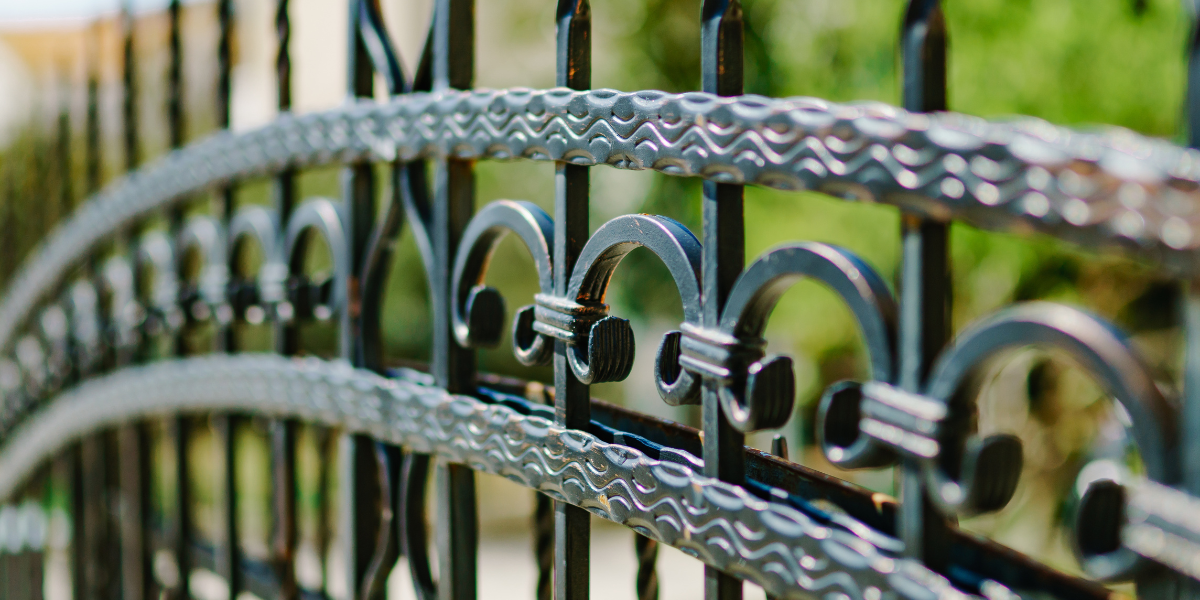
When you’re thinking about installing a fence around your property, one of the biggest questions on your mind is probably: how long will it actually last? Nobody wants to invest in a fence only to have it fall apart in a few years. That’s why knowing the durability of all types of iron fences is so important before you make your decision.
In this blog, we will break down exactly what you need to know about iron fences and how they stack up against other popular fencing materials.
Understanding Iron Fence Durability
There is no question that iron fences are built to last. When we talk about iron fence lifespan, we’re talking about a material that, with proper care, can protect your property for generations. But what makes iron so special, and why do so many property owners in our region choose it over other options?
Iron’s strength comes from its density and composition. It’s a material that doesn’t break down easily, and when it’s properly maintained, it can withstand the elements better than you might expect. The key is understanding what “proper maintenance” really means and how it affects how long your fence will serve you.
The Lifespan of Iron Fences
Here’s what you need to know: how long do iron fences last? In ideal conditions with regular upkeep, a quality iron fence can last between 50 and over 100 years. Yes, you read that right: a century or more. Some of the oldest fences you’ll see in Birmingham neighborhoods are iron fences that have stood for decades, still doing their job effectively.
The durability of your iron fence depends on several factors that work together. It’s not just about the material itself; it’s about how well it’s constructed, how often you maintain it, and the environmental conditions it faces. An iron fence in perfect condition today could still be functional and beautiful fifty years from now if you treat it right.
Factors Affecting Iron Fence Longevity
Several factors determine how long your iron fence will last. Understanding these factors helps you make a smart investment decision:
- Climate conditions in your area
- Quality of the initial installation
- Frequency and thoroughness of maintenance
- Exposure to moisture and humidity
- If the fence was galvanized or powder-coated
- Regular inspection and repair of rust spots
The climate in our region means humidity and moisture are always present. This is exactly why the material you choose matters so much. Iron can handle our weather, but it needs attention. Think of it like your car needs regular oil changes; it’s maintenance that keeps everything running smoothly.
Comparing Different Fences with the Durability of Iron Fences
Iron Fences vs Vinyl Fences
Now let’s compare. Vinyl fencing has become incredibly popular over the past two decades, and for good reason. It requires almost no maintenance, no painting, no rust concerns, nothing. A vinyl fence lasts 20 to 30 years, has a lower initial cost than iron, and requires minimal upkeep, which homeowners appreciate.
But here’s where the comparison gets interesting. While vinyl lasts a solid couple of decades, an iron fence can outlive it by multiple generations. Vinyl can crack in extreme cold, fade in intense sun, and become brittle over time. Iron, on the other hand, just gets stronger with age when properly maintained. If you’re thinking long-term, and we mean really long-term, iron is the winner.
The trade-off is clear: vinyl is easier now, but iron is the investment that pays dividends over time. Which one makes sense for your situation depends on your priorities and how long you plan to stay in your property.
Iron Fences vs Wood Fences
Wood fencing is a classic choice. There’s something timeless and natural about it that appeals to many homeowners. A well-maintained wood fence typically lasts between 15 and 20 years, though some high-quality wood can stretch toward 25 years.
Here’s the challenge with wood: it conflicts with nature. It absorbs moisture, causing warping, rotting, and failure. Wooden fences require regular staining, sealing, and maintenance. In humid climates, this is even more crucial, involving periodic treatments, repairs, and replacement sections.
Iron doesn’t have these problems. It doesn’t absorb water, warp, or rot. Yes, it needs protection against rust, but rust prevention is far simpler than wood restoration. Your iron fence will still be standing strong long after wooden alternatives have become a memory and a pile of mulch.
Iron Fences vs Aluminum Fences
Aluminum fencing is another metal option that deserves consideration. Aluminum is lighter and doesn’t rust like iron, offering a modern look in some cases. Its fences generally last 20 to 30 years, similar to vinyl.
The advantage aluminum has over iron is maintenance simplicity; it won’t rust, so you don’t need to worry about that particular problem. However, aluminum lacks the strength and presence of iron. It can bend or dent more easily, and it doesn’t offer the same level of security or the classic, substantial appearance that iron provides.
When it comes to true durability and longevity, iron still significantly outpaces aluminum. Aluminum is a good middle-ground option, but if durability is your primary concern, iron is the superior choice.
How You Can Make Sure Your Iron Fences Last
Okay, let’s address the elephant in the room: maintaining an iron fence does require effort. But this doesn’t mean it’s difficult or expensive; it just means you need to be consistent.
The foundation of iron fence care is prevention. A well-maintained iron fence is protected by coatings, whether that’s powder coating, paint, or galvanization, that keep moisture away from the metal itself. This barrier is your first defense against rust.
Regular Maintenance Tips
Taking care of your iron fence isn’t complicated, but consistency matters. Here’s what you should do:
- Inspect your fence regularly (at least twice a year) for signs of rust or damage
- Clean your fence with mild soap and water to remove dirt and debris
- Check for paint chips or coating damage and address them promptly
- Trim back vegetation that touches the fence and holds moisture against it
- Apply touch-up paint or sealant to small damaged areas before they become larger problems
- Keep drainage clear around the fence so water doesn’t pool at the base
Protecting Against Rust
Rust is the one real threat to your iron fence’s longevity, but it’s entirely manageable. If you catch rust early and treat it, it won’t spread or compromise your fence’s structural integrity. That’s why inspection matters so much: spotting a small rust spot and addressing it takes minutes, while ignoring it and letting rust spread can require major repairs.
Quality protective coatings applied during manufacturing make a huge difference. A galvanized iron fence has already undergone a process that protects it at a molecular level. A powder-coated iron fence has a tough, durable finish. Both of these options significantly extend your fence’s lifespan beyond basic painted iron.
Why Many People Prefer Iron Fences Despite The High Upfront Costs
Think about this from a financial perspective. Yes, an iron fence costs more upfront than a vinyl or wood fence. But you’re comparing a 30-year-old fence (vinyl), a 20-year-old fence (wood), or possibly a 100-year-old fence (iron). Over the past century, that iron fence has become an incredible asset.
Property values also matter. A well-maintained iron fence can actually increase your property’s curb appeal and value. It signals quality and permanence. Potential buyers see iron fencing and think, “This property is well-maintained and built to last.”
If you’re interested in taking your property fencing to the next level, contact us to explore custom ornamental iron work designs that boost beauty and durability. Our custom pieces use the same quality materials as standard iron fencing, making them long-lasting while adding unique character unmatched by standard options. Get in touch with us for a quote!
Frequently Asked Questions
How often should I inspect my iron fence for damage?
You should inspect your iron fence at least twice a year, ideally once in spring and once in fall. If you live in a humid area or near a coastline with salt spray, quarterly inspections are ideal. Regular checks catch small problems early, preventing costly repairs.
Can an iron fence be repaired if it develops rust?
Absolutely. Iron fences can be repaired even when rust develops. A professional can remove the rust, treat the area, and apply a fresh protective coating. The key is to address rust early, before it compromises the structural integrity of the fence sections.
Is galvanized iron better than painted iron for fencing?
Galvanized iron has an extra layer of protection applied through a chemical process, which generally makes it last longer with less maintenance than traditionally painted iron. If you want maximum durability with minimal upkeep, galvanized is the better choice, though it comes with a higher initial cost.
What climate conditions are hardest on iron fences?
High humidity and areas with salt spray are the most challenging environments for iron fences. Coastal regions and areas with frequent rain or snow create conditions where moisture constantly threatens to cause rust. However, even in these climates, properly coated and well-maintained iron fences perform exceptionally well.
How does iron fencing compare to composite fencing materials?
Composite fencing is relatively new and typically lasts 20 to 30 years. While it requires less maintenance than wood, it still doesn’t match the longevity potential of properly maintained iron. Iron remains the durability champion when you’re planning for the long term.
Final Thoughts
When you’re deciding on what material to use for your fence, you’re really deciding what you want your investment to look like 10, 20, 50 years from now. Iron fencing represents a commitment to durability, security, and timeless aesthetics. It outperforms vinyl, wood, and aluminum in sheer longevity and can last for generations with proper care.
If you’re ready to explore your options for professional iron fence installation in Birmingham, AL, we specialize in high-quality fencing solutions built to stand the test of time. Reach out to us to discuss your project and discover how a quality iron fence can serve your property for decades to come!