
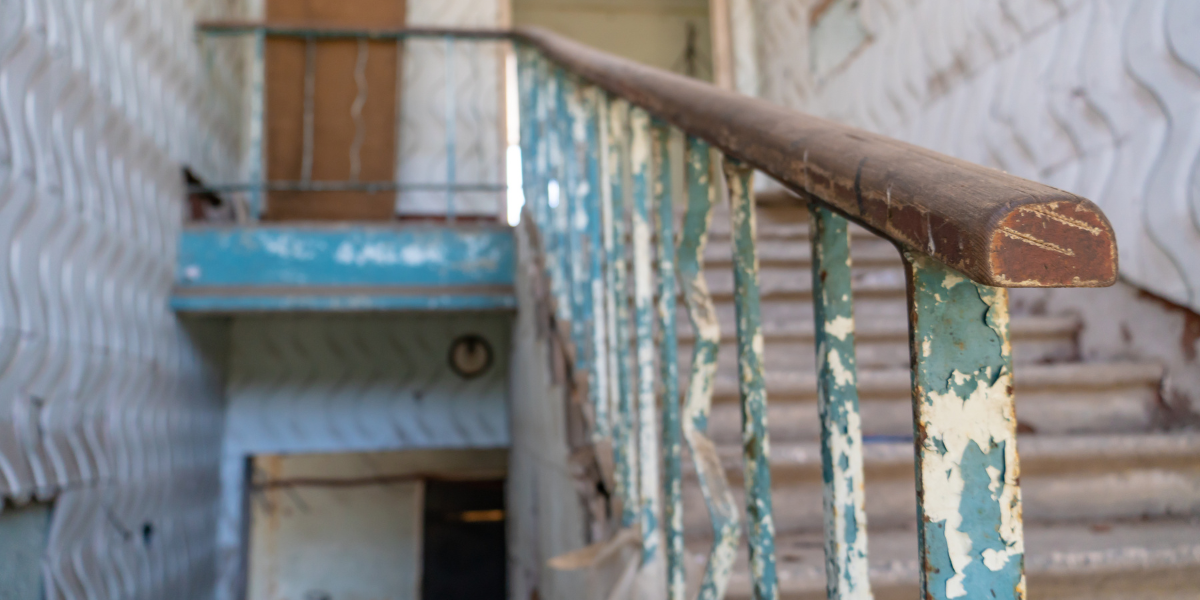
Your stair railing does more work than most people realize. You grab it without thinking every time you go up or down the stairs, and you probably only notice it when something feels off. A wobble here, a rusty patch there, or a splinter that catches your palm. These small annoyances are your railing’s way of asking for attention.
So how do you know when it’s time to stop patching things up and replace your stair railings for good? This stair railing replacement guide covers the clearest warning signs, how indoor and outdoor railings age differently, and what to consider before committing to a replacement.
Why Your Stair Railing Matters More Than You Think
A staircase without a solid railing is a fall waiting to happen. Kids, older adults, and guests carrying laundry baskets all rely on it for balance at some point. Beyond safety, it also shapes how your entryway looks and feels. A tired, rusted railing drags down an otherwise beautiful staircase, while a sturdy, well-designed one adds character.
Ignoring railing problems rarely makes them go away. A loose baluster today can turn into a structural hazard down the road, which is often the moment homeowners decide to replace stair railings rather than keep patching them.
Top Signs You Need to Replace Stair Railings
Not every scuff or squeak means you need a full teardown. But certain warning signs point pretty clearly toward the need for a fresh railing rather than another patch job. Here’s what to watch for.
· Visible Rust and Corrosion
Metal railings are tough, but they aren’t invincible. Once rust starts eating into the metal, it weakens the structure from the inside out. Orange-brown streaks, flaking paint, or a pitted surface all signal that corrosion has taken hold. Light surface rust can sometimes be treated, but deep corrosion usually means the railing has lost strength it can’t get back.
· Wobbly or Loose Railings
Give your railing a firm push next time you walk by. If it shifts, sways, or feels loose at the base, that’s a red flag. Persistent movement, especially if it returns after tightening, usually means the anchoring itself is failing, and a replacement is the more lasting fix.
· Cracked, Splintered, or Rotting Wood
Wood railings bring warmth to a home, but they’re vulnerable to moisture, age, and everyday wear. Press your thumb into the wood. If it feels soft or spongy, that’s rot, and rot spreads. Cracks and splinters are also a sign the wood’s structural integrity is breaking down.
· Missing or Broken Balusters
Balusters are the vertical posts that keep people and pets from slipping through the sides of your staircase. Even one missing or broken baluster creates a gap that compromises the whole system, especially in homes with small children.
· Outdated Height or Spacing
Building codes have changed over the decades. Many current standards call for a handrail height between 34 and 38 inches, along with baluster spacing tight enough that a 4-inch sphere can’t pass through. If your railing predates these standards, it might look fine but still fall short of what’s considered safe today.
· Recurring Issues That Keep Adding Up
Sometimes the clearest sign isn’t a single dramatic failure, it’s a pattern. If the same railing keeps needing attention every few months, the cost and hassle add up fast, and a fresh, reliable replacement usually makes more sense.
· Quick Checklist
Before deciding on repairs, use this quick checklist to identify common warning signs that may indicate your deck railing needs professional attention or replacement.
- Deep, flaking, or spreading rust
- Noticeable wobble under pressure
- Soft, spongy, or rotting wood
- Missing or broken balusters
- Height or spacing that fails current code
- Issues resurfacing more than once or twice a year
When to Replace Stair Railings: Key Deciding Factors
Deciding on the right timing comes down to a few things: how widespread the damage is, whether the railing still meets current code, how often problems keep resurfacing, and how the railing holds up to a firm test of pressure. Isolated, minor wear is one thing, but damage across multiple sections, code violations, or a railing that feels unstable all point toward replacement.
If your staircase itself is solid, meaning the treads don’t creak, wobble, or shift, replacing just the railing is often a straightforward project that instantly refreshes the whole space.
Does the Material Timeline Change Between Indoor and Outdoor Stair Railings?
Yes, and the difference is bigger than most homeowners expect. Indoor railings live in a fairly stable environment, so they hold up for years with basic care. Outdoor railings face rain, humidity, temperature swings, and sun exposure, all of which speed up rust, fading, and material fatigue.
If your home has exterior stairs, porch steps, or a deck, expect to inspect those railings more often than the ones inside. A protective coating helps, but even well-maintained iron stair railings in outdoor setups benefit from a professional inspection every year or two. This is often when replacing your stair railings becomes a real consideration, since exposure accelerates wear far more than it does indoors.
If your outdoor railings need expert attention, contact us today to keep your outdoor iron stair railings safe, durable, and looking their best.
A Quick Stair Railing Replacement Guide for Homeowners
If you’ve decided a replacement makes sense, a little planning goes a long way. This short guide covers the main things to think through.
· Material Options
Iron, wood, cable, and composite railings each bring their own look and lifespan. Iron offers lasting durability, exceptional strength, and design flexibility, especially for custom shapes or ornamental details. Wood feels warm and traditional but needs more upkeep. Cable and composite options lean modern and low-maintenance.
· Budget and Timeline
Costs vary based on railing length, material, and design complexity. A simple straight run costs less than a custom curved railing with decorative scrollwork. Give yourself several weeks between design approval and installation, since custom pieces are built specifically for your space.
· Permits and Code Compliance
Minor swaps that don’t change the structure usually don’t need a permit, but larger changes affecting height, spacing, or anchoring often do. Check with your local building department so your new railing passes inspection later.
· Matching Your Home’s Style
A railing should feel like it belongs. Think about your home’s architecture, existing hardware finishes, and whether you want it to blend in quietly or stand out as a design feature.
How Long Do Stair Railings Typically Last?
There’s no single answer, since lifespan depends on material and exposure. Well-built iron railings can last for decades, sometimes generations, when properly finished and maintained.
Wood railings need attention sooner, particularly outdoors, while cheaper prefabricated options may wear within a few years. Keeping these numbers in mind as part of a broader stair railing replacement guide helps you set realistic expectations before you buy.
Frequently Asked Questions
1. How do I know if my stair railing is a safety hazard right now?
If the railing moves noticeably under pressure, has missing balusters, or shows deep rust or soft, rotted wood, treat it as an immediate safety concern until it’s inspected.
2. Can I replace just the railing without rebuilding the entire staircase?
In most cases, yes, as long as the stairs are structurally sound and the treads don’t creak, wobble, or shift, swapping the railing is usually a self-contained project.
3. Do stair railing replacements always require a permit?
Not always, minor, non-structural replacements often don’t need one, but changes to height, spacing, or anchoring frequently do. Contact your local building authority before moving forward.
4. How often should I inspect my stair railings?
A quick visual and stability check every few months is a good habit, with a more thorough inspection at least once a year. Outdoor and metal railings deserve more frequent checks due to weather exposure.
5. Does replacing my stair railing add value to my home?
Yes. A new, code-compliant railing improves both safety and curb appeal, which buyers and inspectors both notice. It’s one of the more affordable upgrades that makes a visible difference.
Bottom Line
Your stair railing shouldn’t be something you think twice about every time you use it. It should simply be there, solid and dependable, doing its job quietly in the background. If you’ve noticed rust, wobbling, cracks, or issues that never seem to stop, those are your cues to take a closer look. Catching the problem early keeps your home safer and often saves money in the long run.
For homeowners comparing ironwork companies, we stand apart, offering in-house design, fabrication, and installation for consistent craftsmanship. Reach out to us and get started.